As a supplier of volcanic rock, I’ve witnessed firsthand the diverse economic values that this unique natural resource brings to various industries. Volcanic rock, formed through volcanic activity, is not just a geological curiosity but a valuable commodity with a wide range of applications. In this blog, I’ll explore the economic values of volcanic rock from different perspectives, highlighting its potential in construction, agriculture, horticulture, and environmental protection. Volcanic Rock

Construction Industry
One of the most significant economic values of volcanic rock lies in its use in the construction industry. Volcanic rock, such as basalt and pumice, has several properties that make it an ideal material for construction. Basalt, a dense and durable volcanic rock, is commonly used as aggregate in concrete production. Its high strength and abrasion resistance make it suitable for road construction, building foundations, and other infrastructure projects. Pumice, on the other hand, is a lightweight volcanic rock with excellent insulating properties. It is often used in the production of lightweight concrete blocks, which are not only energy-efficient but also reduce the overall weight of buildings, making them more cost-effective to construct and maintain.
In addition to its use as aggregate and in lightweight concrete, volcanic rock can also be used as a decorative material. Polished basalt slabs are often used for flooring, countertops, and wall cladding, adding a touch of elegance and durability to buildings. Pumice can be used as a natural abrasive in the production of cleaning products, as well as a filler in paints and coatings. The versatility of volcanic rock in the construction industry makes it a valuable resource for builders, architects, and designers.
Agriculture and Horticulture
Volcanic rock also has significant economic value in the agriculture and horticulture sectors. Volcanic soil, rich in minerals and nutrients, is highly fertile and ideal for growing a variety of crops. Volcanic rock can be crushed and used as a soil amendment to improve soil structure, water retention, and nutrient availability. Pumice, in particular, is known for its ability to enhance soil aeration and drainage, making it an excellent choice for potted plants and garden beds.
In addition to its use as a soil amendment, volcanic rock can also be used as a growing medium for hydroponic and aquaponic systems. Hydroponics is a method of growing plants without soil, using a nutrient-rich water solution instead. Volcanic rock, such as lava rock, can be used as a substrate in hydroponic systems, providing a stable support structure for plants and allowing for efficient nutrient uptake. Aquaponics is a combination of aquaculture (fish farming) and hydroponics, where the waste produced by fish is used as a nutrient source for plants. Volcanic rock can be used in aquaponic systems to filter and purify the water, as well as provide a habitat for beneficial bacteria.
Environmental Protection
Volcanic rock also plays an important role in environmental protection. Its unique properties make it an effective material for water treatment, air purification, and soil remediation. Volcanic rock can be used as a filter media in water treatment plants to remove impurities and contaminants from water. Pumice, in particular, has a high surface area and porosity, which allows it to adsorb heavy metals, organic compounds, and other pollutants.
In addition to its use in water treatment, volcanic rock can also be used for air purification. Volcanic ash, for example, has been shown to have excellent air purifying properties, as it can adsorb and neutralize harmful gases and particles in the air. Volcanic rock can also be used in soil remediation projects to remove contaminants from polluted soil. Its ability to adsorb and immobilize heavy metals and other pollutants makes it a valuable tool for environmental restoration.
Other Applications
In addition to its use in construction, agriculture, horticulture, and environmental protection, volcanic rock has several other applications. Volcanic rock can be used as a raw material in the production of glass, ceramics, and other industrial products. It can also be used as a source of energy, as some types of volcanic rock, such as geothermal energy, can be used to generate electricity.
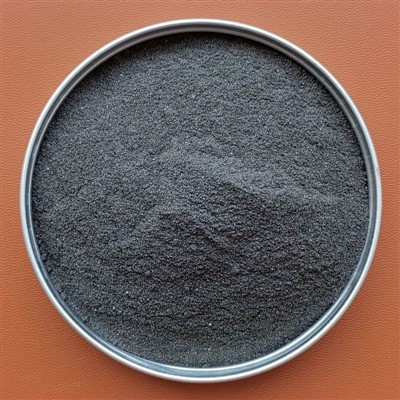
Volcanic rock is also a popular material for landscaping and decorative purposes. Its unique texture and color make it an attractive option for gardens, parks, and other outdoor spaces. Volcanic rock can be used to create rock gardens, water features, and other landscape designs, adding a natural and aesthetically pleasing element to the environment.
Conclusion
Volcanic Rock In conclusion, volcanic rock is a valuable natural resource with a wide range of economic values. Its use in construction, agriculture, horticulture, environmental protection, and other industries makes it an important commodity in today’s global economy. As a supplier of volcanic rock, I am committed to providing high-quality products and services to my customers. If you are interested in learning more about the economic values of volcanic rock or would like to discuss potential business opportunities, please feel free to contact me. I look forward to hearing from you.
References
- "Volcanic Rock: Properties and Applications." Encyclopedia Britannica.
- "The Use of Volcanic Rock in Construction." Construction Materials Journal.
- "Volcanic Rock in Agriculture and Horticulture." Journal of Sustainable Agriculture.
- "Environmental Applications of Volcanic Rock." Environmental Science and Technology.
Lingshou County LM Mineral Products Co., Ltd.
As one of the most professional volcanic rock manufacturers and suppliers in China, we’re featured by quality products and good service. Please rest assured to buy customized volcanic rock made in China here from our factory. Contact us for more details.
Address: Dongzhuang Village, Nanyanchuan Township, Lingshou County, Shijiazhuang City, Hebei Province
E-mail: lmwtwz@163.com
WebSite: https://www.lmwtz.com/
