In the bustling arena of the food industry, the significance of reliable sealing food containers cannot be overstated. As a seasoned provider in the sealable food container market, I have witnessed firsthand the transformative impact these products have on commercial operations. This blog aims to explore the various aspects of sealable food containers for commercial use, delving into their importance, types, benefits, and considerations. Sealable Food Containers
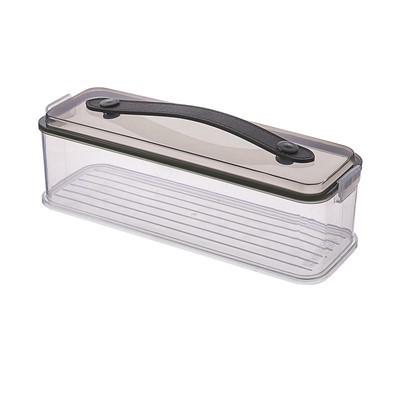
The Importance of Sealable Food Containers in the Commercial Realm
Commercial food businesses, from restaurants and cafes to catering services and food manufacturers, rely heavily on sealable food containers to maintain the quality and safety of their products. These containers act as a barrier against external elements such as air, moisture, and contaminants, which can compromise the freshness, flavor, and nutritional value of food. By preventing spoilage and extending the shelf life of food, sealable containers help businesses reduce waste, cut costs, and enhance customer satisfaction.
In addition to preserving food quality, sealable containers also play a crucial role in food safety. They prevent the growth of bacteria, mold, and other microorganisms that can cause foodborne illnesses. This is particularly important in the commercial food industry, where large quantities of food are prepared and stored, increasing the risk of contamination. By using sealable containers, businesses can ensure that their food products meet the highest standards of safety and hygiene.
Types of Sealable Food Containers for Commercial Use
There is a wide range of sealable food containers available in the market, each designed to meet the specific needs of different commercial applications. Some of the most common types include:
- Plastic Containers: Plastic containers are a popular choice for commercial use due to their affordability, durability, and versatility. They come in a variety of shapes, sizes, and colors, and can be made from different types of plastic, such as polyethylene (PE), polypropylene (PP), and polystyrene (PS). Plastic containers are lightweight, shatterproof, and easy to clean, making them ideal for storing and transporting food.
- Glass Containers: Glass containers are a classic choice for commercial use, especially for high-end restaurants and food retailers. They are made from tempered glass, which is strong and resistant to breakage. Glass containers are transparent, allowing customers to see the food inside, and they do not absorb odors or flavors from the food. They are also recyclable, making them an environmentally friendly option.
- Metal Containers: Metal containers are typically used for storing dry goods, such as grains, cereals, and nuts. They are made from materials such as stainless steel or aluminum, which are durable and resistant to corrosion. Metal containers are also airtight, which helps to keep the food fresh and prevent the growth of bacteria.
- Paper Containers: Paper containers are a popular choice for takeout and delivery food, as they are lightweight, disposable, and easy to carry. They are typically made from coated paperboard, which is resistant to grease and moisture. Paper containers are also biodegradable, making them an environmentally friendly option.
Benefits of Using Sealable Food Containers for Commercial Use
The use of sealable food containers in the commercial food industry offers numerous benefits, including:
- Improved Food Quality: Sealable containers help to maintain the freshness, flavor, and nutritional value of food by preventing the entry of air, moisture, and contaminants. This ensures that the food looks, smells, and tastes its best, which can enhance customer satisfaction and loyalty.
- Increased Food Safety: By preventing the growth of bacteria, mold, and other microorganisms, sealable containers help to reduce the risk of foodborne illnesses. This is particularly important in the commercial food industry, where large quantities of food are prepared and stored, increasing the risk of contamination.
- Reduced Food Waste: Sealable containers help to extend the shelf life of food by preventing spoilage and deterioration. This reduces the amount of food that is wasted, which can save businesses money and help to promote sustainability.
- Enhanced Efficiency: Sealable containers are easy to stack, store, and transport, which can help to improve the efficiency of commercial food operations. They also make it easier to portion and serve food, which can save time and labor costs.
- Brand Promotion: Sealable containers can be customized with a company’s logo, brand name, and other marketing messages, which can help to promote brand awareness and recognition. This can be particularly effective for businesses that rely on takeout and delivery services.
Considerations When Choosing Sealable Food Containers for Commercial Use
When choosing sealable food containers for commercial use, there are several factors to consider, including:
- Food Type: Different types of food require different types of containers. For example, liquids and moist foods require containers that are leak-proof and airtight, while dry goods can be stored in containers that are less airtight.
- Container Size: The size of the container should be appropriate for the amount of food that needs to be stored or transported. Using containers that are too large can result in wasted space, while using containers that are too small can cause the food to spill or become contaminated.
- Sealing Mechanism: The sealing mechanism of the container should be reliable and easy to use. Some common sealing mechanisms include snap-on lids, screw-on lids, and press-on lids.
- Material Quality: The quality of the material used to make the container is important for ensuring its durability and safety. Choose containers that are made from high-quality materials that are resistant to breakage, corrosion, and staining.
- Cost: The cost of the containers is an important consideration, especially for businesses with tight budgets. However, it is important to balance cost with quality and functionality to ensure that you are getting the best value for your money.
Conclusion
In conclusion, sealable food containers are an essential component of the commercial food industry. They play a crucial role in maintaining the quality and safety of food, reducing waste, and enhancing efficiency. When choosing sealable food containers for commercial use, it is important to consider the type of food, container size, sealing mechanism, material quality, and cost. By choosing the right containers for your business, you can ensure that your food products are fresh, safe, and appealing to your customers.
If you are interested in learning more about our sealable food containers or would like to discuss your specific requirements, please feel free to contact us. We would be happy to provide you with more information and help you find the perfect containers for your business.
Large Storage Basket References
- "Food Packaging: Principles and Practice" by Yam, K. L., and Lee, S. Y.
- "The Science of Food Packaging" by Robertson, G. L.
- "Food Packaging Technology" by Coles, R. I., McDowell, D. A., and Kirwan, M. J.
Hangzhou Cheerhope New Materials Co., Ltd.
As one of the most professional sealable food containers manufacturers and suppliers in China, we offer a wide range of products with superior quality. Please rest assured to wholesale bulk durable sealable food containers made in China here from our factory. Contact us for more discount information.
Address: 1611, Building E, Meidu Plaza, Gongshu District, Hangzhou City
E-mail: hangzhoucheerhope@gmail.com
WebSite: https://www.chinastoragebox.com/
