Hey there! I’m a supplier of special containers, and I often get asked about how these unique containers are transported. It’s a pretty interesting topic, so I thought I’d share some insights with you all. Special Container
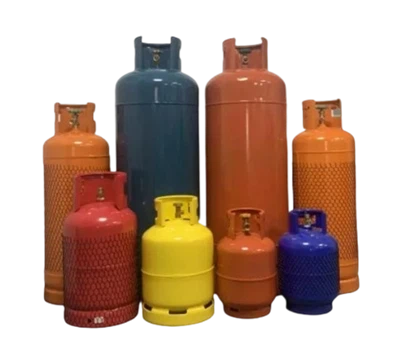
First off, let’s talk about what special containers are. These aren’t your regular shipping containers. Special containers are designed to handle specific types of cargo, like hazardous materials, perishable goods, or oversized equipment. They come in all shapes and sizes, and they’re built to meet strict safety and regulatory standards.
Now, when it comes to transporting special containers, there are a few different methods we can use. The choice depends on a bunch of factors, like the type of container, the destination, and the urgency of the delivery.
Road Transport
One of the most common ways to move special containers is by road. It’s a flexible option that allows us to reach almost any destination, whether it’s a local warehouse or a remote construction site.
For smaller special containers, we can use trucks. There are flatbed trucks that are great for carrying oversized containers. The container is loaded onto the flatbed using a crane or a forklift, and then it’s secured with straps and chains to prevent it from moving during transit.
For larger or heavier containers, we might use tractor – trailers. These are big rigs that can tow large containers over long distances. However, road transport does have its limitations. There are size and weight restrictions on the roads, and traffic can cause delays. Also, if the destination is far away, it might not be the most cost – effective option.
Rail Transport
Rail transport is another great option for moving special containers. Trains can carry a large number of containers at once, which makes it a cost – efficient choice for long – distance transportation.
Special containers can be loaded onto railcars using cranes at the rail yard. Rail transport is also more environmentally friendly than road transport, as trains produce less emissions per ton – mile.
But there are some drawbacks. Rail networks aren’t as extensive as road networks, so the container might need to be transferred to a truck for the last part of the journey. And rail schedules can be less flexible, which can be a problem if you need a quick delivery.
Sea Transport
If you’re looking to move special containers overseas, sea transport is usually the way to go. Shipping lines have massive container ships that can carry thousands of containers across the ocean.
Special containers are loaded into the ship’s holds using huge container cranes at the port. The containers are stacked in an organized way to maximize the ship’s capacity.
One of the advantages of sea transport is its low cost for long – distance shipping. However, it’s also the slowest mode of transport. It can take weeks for a container to reach its destination, depending on the route and the shipping schedule. Also, there’s always a risk of damage during loading and unloading, and there are potential issues with customs clearance at foreign ports.
Air Transport
Air transport is the fastest way to move special containers, but it’s also the most expensive. It’s usually reserved for high – value, time – sensitive cargo, like medical supplies or high – tech equipment.
To transport a special container by air, it has to be properly sized and packed to fit into the aircraft’s cargo hold. Special handling procedures are in place to ensure the safety of the container and the aircraft.
The main advantage of air transport is speed. You can get your container to the other side of the world in just a few days. But the high cost means it’s not a practical option for most types of cargo.
Special Considerations for Transporting Special Containers
When transporting special containers, there are some extra things we need to keep in mind.
Safety
Safety is our number one priority. Special containers often carry dangerous or sensitive cargo, so we have to follow strict safety protocols. For example, if the container is carrying hazardous materials, it has to be properly labeled and secured. We also need to make sure that the transport vehicle is equipped with the necessary safety features, like fire – suppression systems.
Regulations
There are a ton of regulations governing the transport of special containers. These regulations vary depending on the type of cargo, the mode of transport, and the countries involved. For example, international shipping has its own set of rules regarding customs, documentation, and environmental standards. We have to stay on top of these regulations to avoid any legal issues.
Damage Prevention
Special containers can be expensive to replace or repair, so we take steps to prevent damage during transport. This might involve using shock – absorbing materials when loading the container, or making sure that the container is properly tied down to prevent it from shifting.
Case Studies
Let me share a couple of real – life examples of how we’ve transported special containers.
One time, we had a customer who needed to transport a container full of perishable food products from a farm to a grocery store chain. We used refrigerated trucks for road transport to keep the food fresh. We also installed temperature sensors on the containers to monitor the temperature during transit. Thanks to these measures, the food arrived at its destination in perfect condition.
Another case was when we had to send a large, specialized container filled with high – tech equipment to a research facility overseas. We decided to use a combination of sea and road transport. The container was first shipped by sea to the nearest port, and then it was transported by truck to the research facility. We worked closely with the shipping line and the trucking company to ensure a smooth transfer between the two modes of transport.
Conclusion

So, as you can see, transporting special containers is a complex process that involves choosing the right mode of transport, following strict safety and regulatory standards, and taking steps to prevent damage. Each method has its own advantages and disadvantages, and the best choice depends on your specific needs.
LPG Pipe If you’re in the market for special containers or need help with transporting them, I’d love to have a chat with you. Whether you’re a small business owner or a large corporation, I can offer you customized solutions based on your requirements. Just reach out, and we can start discussing how we can work together.
References
- International Maritime Organization (IMO) regulations on container shipping
- Federal Motor Carrier Safety Administration (FMCSA) rules for road transport of special containers
- Association of American Railroads (AAR) guidelines for rail transport of special cargo
- International Air Transport Association (IATA) standards for air cargo handling
Shanghai Luzhen SCM Co., Ltd.
As one of the most professional special container manufacturers and suppliers in China, we’re featured by quality products and good price. Please rest assured to buy bulk discount special container from our factory. We also accept customized orders.
Address:
E-mail: bao@lu-chain.com
WebSite: https://www.lu-chain.com/
