Let me start by setting the scene—last month I had two clients walk into my office here at the auto connector plant, both needing parts for new model launches, but one wanted interior connectors for a premium EV’s infotainment system, and the other needed exterior connectors for a heavy-duty truck’s tail light and sensor array. I sat with both for over an hour, and the questions started piling up: “Why can’t I just use the same part?” “What’s the big deal about a little dirt or heat?” As someone who’s been in this game for 12 years—started out on the production floor, now running supply chain for our small but specialized connector line—I don’t just pull specs out of a catalog. I’ve seen what happens when a connector fails: a $800 infotainment screen goes dark on a family road trip, or a truck’s ABS sensor cuts out mid-haul because a connector corroded in a snowstorm. That’s when I realized the gap between what automotive engineers know and what smaller operators (even some auto parts teams) need to understand about interior vs. exterior connectors. So let’s break this down like I’d explain it to a new production trainee, no jargon overload, just real-world stuff. Automotive Connector
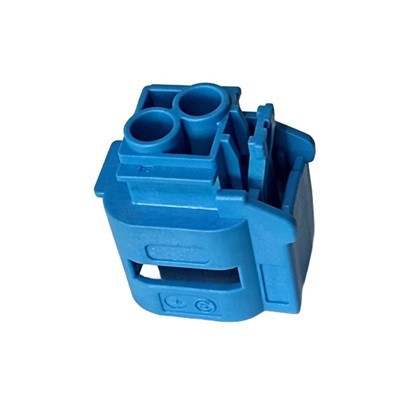
First off, let’s talk environmental exposure—this is the biggest dividing line, full stop. Interior connectors live inside the cabin, right? That’s a controlled, climate-regulated space you step into every morning. Think about it: your car’s AC blows steady, the heater keeps frost off the windows, even the dust that gets in is filtered by the cabin air filter. The extremes here might be a little kid spilling a soda (sugary, sticky, common!) or the occasional pen rolling into a center console. Exterior connectors? They’re out in the elements—full sun baking at 120°F in Phoenix, sub-zero wind chill in Minnesota, road salt sloshing under a wheel well in winter, rain, snow, mud, even bug guts splatting on a taillight harness. Our exterior connectors get tested per SAE J2012, which simulates 1,000 hours of salt spray corrosion—something interior connectors never see. I remember a client from a rural towing company coming to us two years ago, complaining that their previous truck’s taillight connectors had corroded so bad that half the fleet was getting ticketed for non-functional lights. They’d used interior-grade parts because they were cheaper, and by month 18, those connectors were falling apart. Interior parts? We test them for splash resistance, sure, but we don’t subject them to salt spray or prolonged UV exposure—UV rays break down plastic housings over time, so interior connectors use UV-stabilized polymers but not the heavy-duty stuff needed for exterior.
Next up is voltage, current, and signal type—what the connector is powering makes all the difference. Interior connectors handle low-voltage, low-current stuff, usually. Let’s list them: infotainment (touchscreens, speakers), climate control sensors, USB ports for charging, seat adjusters, even the overhead map lights. The highest voltage we see inside is around 12V, and current tops out at maybe 5A for a heated seat. Exterior? They’re dealing with way higher currents for safety-critical systems: ABS sensors (which trigger your brakes), taillights and brake lights, backup cameras, even high-power LED headlights that draw 15A or more. That means the metal pins inside the connector are totally different. Interior connectors use tin-plated copper pins—tin is cheap, works fine for low current, no need for anything more. But exterior pins? We use gold-plated copper (wait, not pure gold, that’s too soft) or nickel-gold alloy, because tin oxidizes fast when exposed to moisture or salt. Oxidation creates a resistive layer, which makes connectors overheat, lose signal, or even fail completely. I’ve seen a set of interior taillight adapters (someone tried to mod their old car) use tin-plated pins, and after one winter with road salt, the pins turned black and the brake lights cut out. Not a fun drive home. Also, interior handles digital signals, too—like the data from your backup camera or the steering wheel controls, so we add shielding to prevent interference from the car’s radio. Exterior connectors? They need shielding too, but also extra strain relief because they’re mounted to moving parts (like door hinges or wheel wells) that flex every time you turn a corner. Interior connectors are mounted to fixed parts, so strain relief is minimal, just enough for someone yanking a USB cable.
Then there’s size, weight, and aesthetics—interior parts live where passengers can see them, so looks matter. Exterior is functional, but interior? We work with OEMs to make connectors tiny, low-profile, and the same color as the trim or plastics around them. Think about the little rectangular connectors hidden under your center console or behind your dash—you barely notice them because they’re designed to blend, not stick out. Exterior connectors? They get bolted to frames, under bumpers, or inside door jams, so size is less important than durability. For example, our interior USB connectors are only 15mm wide, with plastic housings that match the dash’s black plastic. Our exterior engine bay harness connectors are 25mm wide, with thick, ribbed housings that can take a rock hit without cracking. Aesthetics also tie into user interaction: interior connectors often have mating guides (little plastic notches) that make it easy for a tech to plug them in 100% right, without tools. Exterior connectors have sturdier mating guides, too, but they’re built to lock tight and stay locked, even when a truck bounces over a dirt road for 100,000 miles.
Wait, let’s not forget temperature rating—this is a big one I almost glossed over. Interior temperatures max out at around 85°F when the AC is on, maybe 120°F if you leave your car parked in the sun for a few hours, but that’s rare. Exterior? Engine bay connectors can hit 220°F (that’s 104°C) when the engine’s running, and wheel well connectors go from -40°F to 180°F in a day, depending on weather and driving. So interior connectors are rated for -40°F to 125°F, which is overkill for most interior use, but perfect. Exterior connectors? We rate them for -55°F to 150°F, some even higher for engine bay use. If you put an interior connector in the engine bay, the heat will melt the plastic housing in two years—no question. I tested that once by accident when a new trainee swapped an interior connector for an engine bay harness during a rush order. Six months later, the housing warped so bad the pins shorted out. We had to replace 200 parts under warranty, that was a costly lesson.
Another point: sealing. Sealing is where we see the most confusion between interior and exterior. Interior connectors might have a tiny rubber O-ring to keep soda or rain out if it’s near a door, but it’s not a hermetic seal. Exterior connectors need a full IP67 or IP6K9K seal—meaning they can be submerged in 1 meter of water for 30 minutes, or sprayed with high-pressure steam (like when a truck gets a pressure wash). That rubber seal is thicker, more durable, and bonded to the housing so it doesn’t come loose over time. I’ve had a client in the food and beverage transport industry come to us for their trailer connectors—they need IP67 because the trailers get hosed down every day, and their previous connectors (interior grade) would leak and cause electrical faults. The exterior connectors we supplied fixed that immediately.
Now, let’s talk about real-world consequences of mixing these up, because that’s what hits home. Last year, we had a small electric scooter brand contact us, saying their front light kept dying in the rain. They’d used a cheap interior connector, thinking “it’s just a light, how bad can it be?” The rain got in through the unsealed housing, corroded the pins, and the light failed. We swapped them for our exterior-grade light connectors, and they haven’t had a single issue since. Another example: a luxury sedan manufacturer used interior connectors for their side mirror sensors, which are exposed to road spray. Within a year, 5% of their fleet had mirror sensor failures, which messed with the blind spot monitoring system. They switched to our exterior connectors, and the failure rate dropped to 0.1%. It’s not just about cost, either—though interior connectors are 20-30% cheaper, the cost of recalls, warranties, and lost customer trust is way higher than using the right part.
Wait, I don’t want to make it sound like interior connectors are “less good”—they’re just designed for their job, right? Interior connectors need to be small, aesthetic, and easy to mate, while exterior need durability and sealing. There’s no one-size-fits-all, which is why we specialize in both lines at our shop. We work with 12 different auto brands, from small EV startups to heavy-duty truck fleets, and the biggest mistake clients make is assuming “connector is connector.” When you’re building a car, every part has a role, and connectors are the unsung heroes that make all the electronics work. If they fail, you’ve got a car full of expensive parts that don’t do what they’re supposed to.
Let me wrap this up with what I tell every new client, because it’s simple: when you pick a connector, first ask where it’s going. Is it inside the cabin, protected from the elements, low power, visible to passengers? Go interior grade. Is it under the hood, on a door, a wheel well, exposed to water, salt, extreme heat, or high power? You need exterior grade. Don’t cut corners here—we’ve seen too many businesses learn that the hard way, and it’s never fun.
If you’re working on a new project, whether it’s a passenger car, a truck, an EV, or a utility vehicle, and you’re not sure which connector line is right for your application, feel free to reach out. We don’t just sell parts—we help you pick the right connector that will keep your vehicle running for years, no surprises.
When it comes to automotive connectors, the difference isn’t just in the spec sheet—it’s in what they have to survive, and that’s the part no one tells you about until something goes wrong. Let’s make sure your parts don’t end up in that “what were they thinking?” story I tell around the plant.
Automotive Connector References:
SAE International. SAE J2012: Standard Test Method for Electrical Connectors Used in Automotive Environments. SAE International, 2021.
International Electrotechnical Commission. IEC 60529: Degrees of Protection Provided by Enclosures (IP Code). IEC, 2019.
Automotive Electronics Council. AEC-Q100: Stress Test Qualification for Integrated Circuits. AEC, 2022.
National Highway Traffic Safety Administration. “Automotive Electrical System Reliability and Failure Trends.” NHTSA Technical Bulletin, 2020.
Modelon Precision Industry (Suzhou) Co., Ltd.
With abundant experience, we are one of the most professional automotive connector manufacturers and suppliers in China. Welcome to buy customized automotive connector at competitive price from our factory. If you have any enquiry about pricelist, please feel free to email us.
Address: 1st Floor, Building 22, No. 2628 North Gate Road, Kunshan City, Jiangsu Province, P.R.China
E-mail: jessica_huang2025@163.com
WebSite: https://www.modeloncn.com/
