When I first started as a powder puff supplier five years ago, I got asked one question more than any other: “Are powder puffs easy to clean?” At the time, I used to answer with a quick “Yes, totally” — but that was before I spent a full day working with a customer who ruined three of their favorite puffs in a single month, all because they were cleaning them wrong. That experience taught me this question isn’t just a simple yes or no. The real answer depends on what kind of powder puff you have, how you use it, and how you approach cleaning it. Today, I want to break that down, share what I’ve learned from years in the business, and help anyone who uses powder puffs avoid the mistakes that make cleaning feel impossible. Powder Puff
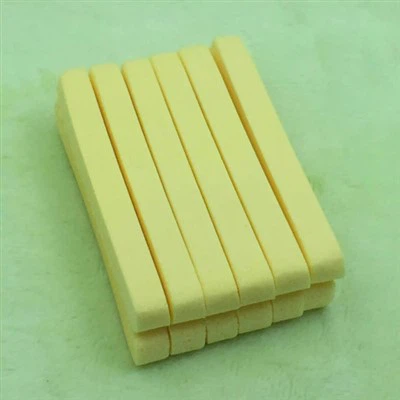
First, let’s get one thing straight: not all powder puffs are made the same, and their material is the biggest factor in how easy they are to clean. When I source puffs for my supply line, I work with three main material types, each with its own quirks. The most common is the standard cotton puff — soft, fluffy, and what most people grab for loose powder or pressed powder. Cotton is absorbent, which is why it feels nice on the skin, but that same porosity is the reason cleaning can go wrong fast. If you use a cotton puff for translucent powder, over time, the powder gets trapped deep in the fabric’s fibers. Leave that for a week without washing, and the powder builds up, making the puff feel rough and less soft. I’ve had customers tell me their cotton puffs start leaving white streaks on their foundation after just two uses, and that’s almost always from old powder residue sitting in the fibers.
Then there are synthetic puffs, usually made from polyester or nylon. These are a favorite for people who use cream or powder products because they don’t absorb as much product as cotton. Synthetic puffs are way less porous, so powder doesn’t get trapped as easily — which makes them much easier to clean. I’ve seen a lot of professional makeup artists stick to synthetic puffs for this exact reason; they can wipe them clean in seconds after each use, no deep scrubbing needed. The third type is silk puffs, which are luxury items used for setting powder. Silk is super smooth, so powder doesn’t cling to it the way it does to cotton, but silk fibers are delicate. Clean them too roughly, and you can fray the edges or snag the fabric, which makes them harder to clean over time.
Now, let’s talk about why people struggle with cleaning powder puffs. I’ve seen the same mistakes over and over again, and most of them come down to rushing or using the wrong cleaning products. The first mistake is waiting too long to clean. If you use a powder puff every day, you should be cleaning it at least once a week. If you only use it once a month, a deep clean every two months works, but waiting longer than that is a disaster. Old powder, dead skin cells, and even bacteria build up in the puff’s fibers. I did a little informal test with a regular customer last year who owned a puff she hadn’t cleaned in six months. When we rubbed it on a white piece of paper, it left faint yellow and gray streaks of old powder and skin residue — stuff that doesn’t show up when you use it on your face, but definitely makes your new setting powder look dull and uneven.
The second big mistake is using the wrong soap or cleanser. I’ve had customers use dish soap, hand sanitizer, even laundry detergent on their puffs, and that’s a one-way ticket to ruining a perfectly good puff. Dish soap is harsh; it strips the fibers of puffs, especially cotton and silk, making them stiff and scratchy. Hand sanitizer has alcohol, which breaks down the bonding in synthetic puffs over time, making them fall apart faster. Laundry detergent is way too concentrated, and it leaves a residue that makes powder clump when you use the puff next time. The right cleanser? Gentle, fragrance-free soap — baby shampoo works perfectly, or even the same mild cleanser you use on your face. I recommend this to every customer I work with; it’s mild enough to get rid of residue without damaging the puff’s material.
I also want to address a myth I hear all the time: that washing your powder puff every day is better. That’s not true, and over-washing can be just as bad as under-washing. Cotton puffs, for example, lose their softness if you wash them too frequently, because the fabric’s fibers start to break down. Synthetic puffs hold up better, but if you scrub them hard every day, they’ll start to pill, and powder will get stuck in those pills. Silk puffs? Hand washing once every two weeks is enough, and you have to be extra gentle. I tell my regular customers to do a quick wipe-down after each use — just a damp paper towel or a gentle wipe with a makeup wipe — and then do a full deep clean once a week for daily use. That middle ground keeps puffs soft and clean without wearing them out.
Now, let’s get into the actual steps to clean each type of puff, because different materials need different care, and that’s what a lot of people don’t know. For cotton puffs, the most common type: first, run the puff under lukewarm (not hot, hot water shrinks cotton!) water. Gently squeeze the puff to get rid of surface powder, then lather a tiny bit of mild soap into your palms and rub the puff between your hands in circular motions. Don’t scrub hard — just enough to work the soap into the fibers. Once it’s lathered, rinse it under lukewarm water until the water runs completely clear, no suds or powder coming out. Then, here’s the biggest mistake people make: wringing the puff to get rid of water. Wringing stretches and damages the fibers, especially cotton. Instead, gently squeeze the puff between your palms to press out excess water, like you’re squeezing a wet sponge. Then lay it flat on a clean towel to air dry — never hang it up, because that stretches the shape, and standing it upright can make moisture get trapped at the bottom, leading to mold.
For synthetic puffs, the process is almost the same, but even simpler. They’re so non-porous that surface powder usually comes off in the first rinse. Lather a little soap, rub lightly, rinse, and squeeze out water. Synthetic puffs dry super fast, so you can lay them flat and they’ll be ready in a couple of hours. The only extra tip here is if you use a synthetic puff for cream products, you might need a tiny bit more soap to get rid of oil residue, but still no harsh scrubbing.
Silk puffs are the delicate ones, so you have to be extra careful. Never use hot water, never scrub, and never rub them against anything rough. Run lukewarm water over the puff, lather a tiny bit of baby shampoo very gently into the silk with your fingertips — no circular motions, just light patting. Rinse carefully, because silk holds water and soap residue easily, then squeeze out excess water very gently (silk fibers tear easily if you tug). Lay it on a soft, lint-free towel, roll the towel up with the puff inside, and press lightly to absorb more water. Don’t rub it into the towel. Then lay it flat in a cool, dry place to air dry, and never use a hair dryer — the heat will ruin the silk’s smooth finish.
I also get asked all the time if you can put powder puffs in the washing machine or dishwasher. My answer is a hard no. The washing machine’s agitator is way too rough, it uses harsh detergent, and the spin cycle stretches and damages the puff’s shape. Even a gentle cycle will wear out a puff way faster than hand washing. The dishwasher is even worse — high heat and strong detergent will turn any puff into a stiff, useless lump. I’ve seen customers try this, and almost every single one ended up having to replace their puffs within a week, so I always warn people away from machine cleaning entirely.
Now, let’s talk about how often you should replace your powder puff, because cleaning can only do so much. Even if you clean a puff perfectly every week, it will wear out over time. Cotton puffs usually last two to three months with regular use, synthetic puffs can last up to six months, and silk puffs, if you take care of them, can last a year. Signs it’s time to replace a puff: it starts to feel rough or scratchy, the edges fray, or it leaves streaks or uneven powder application, even after cleaning. A lot of customers think their new powder is bad when it’s actually their old puff that’s past its prime, and that’s an easy mix-up to make.
As a powder puff supplier, I’ve built my business on helping people get the most out of their tools, and that starts with making cleaning easy. That’s why I design the puffs I sell to be durable and low-maintenance, because I know most people don’t want to spend 20 minutes scrubbing a makeup tool every week. But even the best puff in the world won’t stay clean if you use the wrong cleaning method. The key takeaway here is that powder puffs are relatively easy to clean, as long you match your method to the material, don’t wait too long between cleans, and use gentle products. It’s not a chore if you build it into your weekly routine — five minutes once a week, and your puffs will stay soft, clean, and work as well as the day you bought them.

If you’re looking for high-quality, easy-to-clean powder puffs for personal use or to stock for your business, I’d love to chat. I work with all kinds of customers, from individual makeup lovers to small boutique brands, and can tailor solutions that fit your needs. Whether you have questions about cleaning specific puff types, want to compare material options, or are ready to place an order, feel free to reach out to discuss your requirements.
Latex Free Makeup Sponges References:
- American Academy of Dermatology. (2022). Proper Care for Makeup Tools to Prevent Bacterial Growth. Dermatology Care Guidelines.
- Cosmetic Ingredient Review. (2021). Safety Assessment of Synthetic Fibers Used in Cosmetic Applicators. International Journal of Toxicology.
- International Organization for Standardization. (2019). Standard Practice for Cleaning Cosmetic Sponges and Applicators. ISO 22614:2019.
- Johnson & Johnson Consumer Inc. (2020). Gentle Cleansing Best Practices for Delicate Cosmetic Tools. Personal Care Research Report.
Guangzhou Aoli Beauty Cosmetics Co., Ltd.
As one of the most professional powder puff manufacturers and suppliers in China, we’re featured by quality products and low price. Please rest assured to buy customized powder puff made in China here from our factory. Contact us for more details.
Address: No.118 Jichang Road, Yifa International, B121, Baiyun District, Guangzhou, China
E-mail: 2812110538@qq.com
WebSite: https://www.aoliybeauty.com/
