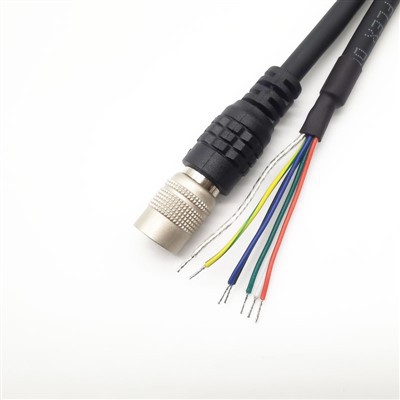
In the realm of high – speed data transmission, Infiniband Series Camera Link HS Cables play a crucial role. As a supplier of these specialized cables, I often encounter inquiries about various technical aspects, and one of the most frequently asked questions is about the bending radius of these cables. Infiniband Series Camera Link HS Cable
Understanding the Concept of Bending Radius
Before delving into the bending radius of Infiniband Series Camera Link HS Cables, it’s essential to understand what bending radius means. The bending radius is the minimum radius that a cable can be bent without causing damage to its internal structure, such as conductors or insulation. When a cable is bent beyond its specified bending radius, it can lead to a variety of issues, including signal loss, reduced cable lifespan, and even complete cable failure.
Factors Affecting the Bending Radius of Infiniband Series Camera Link HS Cables
- Cable Construction
- The internal construction of Infiniband Series Camera Link HS Cables has a significant impact on the bending radius. These cables typically consist of multiple conductors, insulation materials, and shielding. For example, if the cable has a more rigid insulation material, it may have a larger bending radius. On the other hand, cables with more flexible insulation can often tolerate a smaller bending radius.
- The number of conductors also matters. Cables with a higher number of conductors may be less flexible and thus require a larger bending radius to avoid damage to the individual conductors.
- Cable Size
- Generally, larger – diameter cables have a larger bending radius. This is because the physical dimensions of the cable make it more difficult to bend without causing stress on the internal components. For Infiniband Series Camera Link HS Cables, different sizes are available to meet various application requirements, and each size has its own recommended bending radius.
- Shielding Type
- Shielding is an important feature in these cables to protect against electromagnetic interference (EMI). However, the type of shielding can affect the bending radius. For instance, cables with a braided shield may be more flexible compared to those with a foil shield. Braided shields can conform to bends more easily, allowing for a smaller bending radius.
Recommended Bending Radius for Infiniband Series Camera Link HS Cables
The recommended bending radius for Infiniband Series Camera Link HS Cables typically ranges from 5 to 10 times the outer diameter of the cable. For example, if the outer diameter of a cable is 5 mm, the minimum bending radius would be between 25 mm and 50 mm.
It’s important to note that these are general guidelines, and the actual bending radius may vary depending on the specific cable model and manufacturer. Some high – performance cables may have a smaller bending radius due to advanced construction techniques and materials.
Importance of Adhering to the Bending Radius
- Signal Integrity
- Maintaining the proper bending radius is crucial for ensuring signal integrity. When a cable is bent beyond its recommended radius, the conductors inside can be stretched or compressed, which can lead to impedance changes. These impedance changes can cause signal reflections, resulting in data errors and reduced transmission speeds.
- Cable Lifespan
- Excessive bending can also shorten the lifespan of the cable. Over time, repeated bending beyond the recommended radius can cause the insulation to crack and the conductors to break. This can lead to cable failure, which not only requires replacement but can also cause downtime in critical applications.
- System Reliability
- In applications where Infiniband Series Camera Link HS Cables are used, such as high – speed data acquisition and imaging systems, system reliability is of utmost importance. Adhering to the bending radius helps to ensure that the cable functions properly and that the overall system operates without disruptions.
Installation and Handling Considerations

When installing Infiniband Series Camera Link HS Cables, it’s important to follow the recommended bending radius. Here are some practical tips:
- Use Cable Management Tools
- Cable trays, conduits, and cable ties can help to manage the cables and ensure that they are bent within the recommended radius. These tools can also prevent cables from being accidentally bent too sharply during installation or maintenance.
- Plan the Cable Route
- Before installation, plan the cable route carefully to avoid sharp bends. Identify areas where the cable may need to turn and ensure that there is enough space for the cable to bend within the recommended radius.
- Train Installation Personnel
- Make sure that the personnel responsible for cable installation are aware of the importance of the bending radius. Provide training on proper cable handling and installation techniques to minimize the risk of damage.
Conclusion
Camera Link Cable As a supplier of Infiniband Series Camera Link HS Cables, I understand the importance of providing accurate information about the bending radius. By adhering to the recommended bending radius, users can ensure the reliable performance of their cables and the overall system. If you are in need of high – quality Infiniband Series Camera Link HS Cables and have any questions about the bending radius or other technical aspects, please feel free to contact us for further discussion and to explore potential procurement opportunities.
References
- Manufacturer’s specifications for Infiniband Series Camera Link HS Cables
- Industry standards and guidelines for high – speed data cables
Karobert Technology LLC Karobert Trading PTE. LTD.
We’re known as one of the most professional infiniband series camera link hs cable manufacturers and suppliers in China, also support customized service. Please feel free to buy high quality infiniband series camera link hs cable made in China here from our factory. For price consultation, contact us.
Address: 6250 S 196th St, Kent, WA, 98055, USA.
E-mail: karl@karobert-us.com
WebSite: https://www.karobert-us.com/
