Does plastic garden netting protect plants from pests?
As a supplier of plastic garden netting, I’ve witnessed firsthand the increasing demand for effective pest control solutions in gardening. Plastic garden netting has emerged as a popular choice for many gardeners, but the question remains: does it truly protect plants from pests? In this blog, I’ll delve into the science behind plastic garden netting and its effectiveness in safeguarding your precious plants. Plastic Garden Netting
Understanding the Role of Plastic Garden Netting
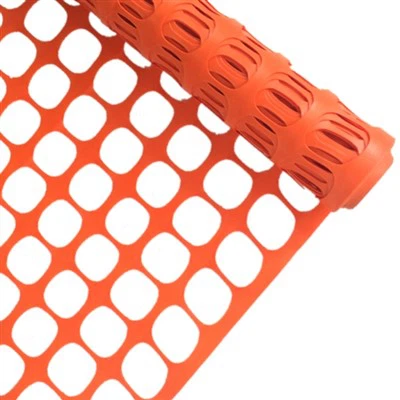
Plastic garden netting serves as a physical barrier between plants and pests. It is designed to prevent insects, birds, and other small animals from reaching the plants, thereby reducing the risk of damage. The netting is typically made from high – density polyethylene (HDPE) or other durable plastics, which are resistant to weather conditions and can last for several seasons.
One of the key advantages of plastic garden netting is its versatility. It can be used in a variety of garden settings, from small backyard gardens to large commercial farms. Whether you’re growing vegetables, fruits, or flowers, the netting can be customized to fit your specific needs. For example, fine – mesh netting can be used to prevent tiny insects like aphids and whiteflies from accessing the plants, while larger – mesh netting can deter birds and rabbits.
How Plastic Garden Netting Protects Against Different Pests
Insects
Insects are one of the most common pests in gardens. They can cause significant damage to plants by feeding on leaves, stems, and fruits. Plastic garden netting with a fine mesh size can effectively block insects from reaching the plants. The small holes in the netting prevent insects from squeezing through, creating a protective barrier.
For instance, aphids are tiny insects that can multiply rapidly and cause stunted growth and yellowing of leaves. A well – installed plastic netting can keep these pests at bay. Similarly, whiteflies, which are known for transmitting plant diseases, can be prevented from landing on the plants by the netting.
Birds
Birds can be a nuisance in gardens, especially when they peck at fruits and vegetables. Plastic garden netting can be an effective solution to this problem. By covering the plants with netting, you can prevent birds from accessing the fruits and causing damage. The netting should be installed in a way that it completely covers the plants and is secured to the ground to prevent birds from getting under it.
Rabbits and Other Small Animals
Rabbits, squirrels, and other small animals can also cause damage to garden plants. They may eat the leaves, stems, or roots of the plants. Plastic garden netting can be used to create a fence around the garden or individual plants. A sturdy netting with a proper height can prevent these animals from jumping over or burrowing under it.
Factors Affecting the Effectiveness of Plastic Garden Netting
Mesh Size
The mesh size of the plastic garden netting is a crucial factor in determining its effectiveness against pests. A finer mesh will be more effective in preventing small insects from passing through, but it may also reduce air circulation and sunlight penetration. On the other hand, a larger mesh may allow some small insects to enter but will provide better ventilation for the plants. It’s important to choose the right mesh size based on the type of pests you’re trying to control and the needs of your plants.
Installation
Proper installation of the plastic garden netting is essential for its effectiveness. The netting should be securely fastened to a support structure, such as stakes or a frame. It should be taut and without any gaps to prevent pests from finding their way in. If the netting is not installed correctly, pests may be able to enter through loose areas or under the edges.
Maintenance
Regular maintenance of the plastic garden netting is also important. Over time, the netting may become damaged by weather conditions or other factors. Any holes or tears in the netting should be repaired promptly to ensure that it continues to provide effective protection. Additionally, the netting should be cleaned periodically to remove dirt, debris, and any pests that may have become trapped in it.
Real – World Examples of Plastic Garden Netting in Action
Many gardeners have reported positive results after using plastic garden netting to protect their plants. For example, a vegetable gardener in a suburban area installed plastic netting around his tomato plants to protect them from birds and insects. He noticed a significant reduction in the damage caused by birds pecking at the tomatoes and a decrease in the number of aphids on the plants.
In a commercial strawberry farm, plastic garden netting was used to cover the strawberry beds. This not only protected the strawberries from birds but also reduced the incidence of insect – borne diseases. The farmers were able to increase their yield and quality of the strawberries, resulting in higher profits.
Limitations of Plastic Garden Netting
While plastic garden netting is an effective pest control solution, it does have some limitations. It may not be able to prevent all types of pests. For example, some pests, such as slugs and snails, may be able to crawl under the netting or find their way through small gaps. Additionally, the netting may need to be removed periodically for tasks such as pruning, weeding, and harvesting, which can expose the plants to pests during these times.
Conclusion
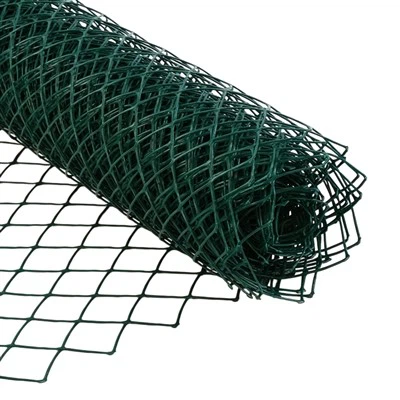
In conclusion, plastic garden netting can be an effective tool for protecting plants from pests. It provides a physical barrier that can prevent insects, birds, and small animals from reaching the plants. However, its effectiveness depends on factors such as mesh size, installation, and maintenance. By choosing the right netting and using it correctly, gardeners can significantly reduce the damage caused by pests and enjoy a healthy and productive garden.
Plastic White Garden Fence If you’re interested in learning more about our plastic garden netting products or would like to discuss your specific pest control needs, I encourage you to get in touch with us. Our team of experts is ready to assist you in finding the best solution for your garden. Whether you’re a home gardener or a commercial farmer, we have the right netting to meet your requirements.
References
- "Pest Management in Gardens" – A comprehensive guide on garden pest control published by a leading horticultural research institute.
- "The Benefits of Plastic Garden Netting" – An article in a popular gardening magazine that discusses the advantages of using plastic netting in gardens.
- "Effective Installation and Maintenance of Garden Netting" – A research paper on the proper installation and upkeep of garden netting to ensure its effectiveness.
Shaoxing Yongte Plastics Co., Ltd.
We are one of the most reliable plastic garden netting manufacturers and suppliers in China, specialized in providing high quality customized products. We warmly welcome you to wholesale discount plastic garden netting for sale here from our factory. Contact us for pricelist and free sample.
Address: INDUSTRIAL PARK, LIZHU TOWN, KEQIAO DISTRICT, SHAOXING CITY, ZHEJIANG PROVINCE
E-mail: support@sxxyongte.com.cn
WebSite: https://www.fenceplastic.com/
