When thinking about leisure on the water, the question often arises: Can I use a gas cylinder in a boat? As a dedicated gas cylinder supplier, I’ve had many customers come to me with this very query. In this blog, I aim to offer a comprehensive answer, covering all aspects from safety and regulations to practical uses and best practices. Gas Cylinder

Safety Considerations
Safety is the top priority when using a gas cylinder on a boat. Gas cylinders typically contain flammable gases such as propane or butane, which can pose significant risks if not handled properly. The confined space of a boat can exacerbate these risks, as a gas leak could lead to an accumulation of combustible gas, increasing the likelihood of an explosion or fire.
One of the primary safety concerns is proper ventilation. When using a gas cylinder on a boat, it’s essential to ensure that there is adequate airflow to prevent the build – up of gas. Any cabin or enclosed area where a gas cylinder is stored or used should have ventilation systems in place that can effectively remove any leaked gas. For example, small powerboats may require through – hull vents or fans specifically designed for gas ventilation.
Another aspect of safety is the secure storage of the gas cylinder. A gas cylinder should be firmly secured to prevent it from moving during rough seas or sudden maneuvers. Movement can cause the cylinder to tip over, potentially damaging the valve and leading to a gas leak. Additionally, the gas cylinder should be stored in a well – protected area away from direct heat sources, sharp objects, and areas prone to impact.
Regulations and Compliance
The use of gas cylinders on boats is subject to strict regulations. These regulations vary by country and region, but they generally aim to ensure the safety of passengers and crew. In many places, it is mandatory to have the gas system on a boat inspected regularly by a qualified technician.
For instance, in the United States, the U.S. Coast Guard has specific requirements for gas systems on boats. These requirements cover everything from the type of gas cylinder allowed to the installation and maintenance of the gas lines. Boats must be equipped with approved gas shut – off valves and have proper ventilation for gas storage and use areas.
In the European Union, boats are regulated by the Recreational Craft Directive. This directive sets out safety standards for all aspects of a boat, including gas systems. Gas cylinders must be of a type that is approved for marine use and installed in accordance with the relevant safety standards.
Practical Uses of Gas Cylinders on Boats
Despite the safety concerns and regulations, gas cylinders have many practical uses on boats. One of the most common uses is for cooking. A gas – powered stove provides a reliable and efficient way to cook meals while out on the water. Whether you’re making a simple breakfast or a more elaborate dinner, a gas stove can handle the task.
Gas is also used for heating on boats. In colder climates or during the cooler months, a gas – fired heater can keep the cabin warm and comfortable. Some boats are equipped with gas – powered water heaters, which provide hot water for showers and dishes.
In addition, some boats use gas for lighting. Gas lamps can provide a soft, ambient light, which is perfect for creating a cozy atmosphere in the evenings.
Choosing the Right Gas Cylinder
As a gas cylinder supplier, I often help customers choose the right gas cylinder for their boats. There are several factors to consider when making this decision.
The first factor is the size of the boat. Smaller boats may not have the space to store large gas cylinders, so a smaller, more compact cylinder may be more suitable. On the other hand, larger boats with more extensive gas – using appliances may require larger cylinders to ensure an adequate supply of gas.
The type of gas is also important. Propane is a popular choice for boats because it has a high energy density and can be easily liquefied. It burns cleanly and is suitable for a wide range of applications, including cooking, heating, and lighting. Butane is another option, but it has a lower boiling point and is less suitable for use in colder temperatures.
The quality of the gas cylinder is crucial. It’s important to choose a gas cylinder that is made from high – quality materials and meets all the relevant safety standards. Look for cylinders that have been tested and certified by recognized authorities.
Best Practices for Using Gas Cylinders on Boats
Here are some best practices that I recommend to my customers:
- Inspect the Gas Cylinder Regularly: Check the cylinder for any signs of damage, such as dents, rust, or leaks. If you notice any issues, do not use the cylinder and contact a professional for inspection and repair.
- Use the Gas System Correctly: Follow the manufacturer’s instructions when using the gas – powered appliances on your boat. Make sure to turn off the gas supply when the appliances are not in use.
- Carry a Gas Detector: A gas detector can alert you to the presence of gas leaks. It’s a simple and effective way to increase the safety of using gas on your boat.
- Be Prepared for Emergencies: Have a fire extinguisher on board and know how to use it. Familiarize yourself with the emergency procedures in case of a gas – related accident.
Conclusion
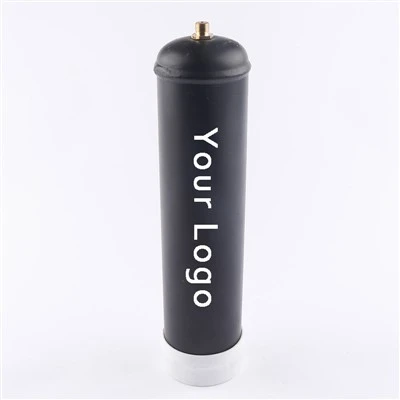
In conclusion, it is possible to use a gas cylinder on a boat, but it must be done with extreme caution. By following the safety guidelines, meeting the regulations, and choosing the right gas cylinder, you can enjoy the convenience and practicality of gas – powered appliances on your boat.
Argon As a gas cylinder supplier, I am committed to providing high – quality gas cylinders and reliable advice to our customers. If you are considering using a gas cylinder on your boat or need to replenish your current supply, I encourage you to reach out to me. Whether you have questions about safety, regulations, or which gas cylinder is right for you, I’m here to help. Feel free to contact me to start a discussion about your gas cylinder needs.
References
- U.S. Coast Guard. "Navigation and Vessel Inspection Circular (NVIC) 01 – 98: Installation of LP – Gas Appliances and Equipment Aboard Boats."
- European Union. "Recreational Craft Directive 2013/53/EU."
- Manufacturer’s manuals for gas cylinders and gas – powered appliances.
Fortune Gas Co., Ltd.
With abundant experience, we are one of the most professional gas cylinder manufacturers and suppliers in China. We warmly welcome you to buy bulk high quality gas cylinder from our factory. If you have any enquiry about customized service, please feel free to email us.
Address: Building 3, No. 2 Chunchao Road, Yichun Economic and Technological Development Zone, Jiangxi Province
E-mail: Fortunegas_angela@163.com
WebSite: https://www.fortunegascn.com/
