Hey everyone, if you’ve been scrolling landscaping forums or scrolling through local hardware store aisles lately, you’ve probably noticed small tractors popping up more and more. I’m gonna keep this real— I’ve been in the small tractor supply game for over a decade now, and I hear the same question every single day: “Are these tiny machines actually worth it, or am I better off sticking with my big old lawn mower and a bunch of hand tools?” Today we’re gonna break this down like I’m chatting over a coffee, no fancy jargon, just straight talk from someone who’s sold hundreds of these bad boys to landscapers, homeowners, and property managers alike. Small Tractor
First off, let’s get one thing straight— when we say “small tractor,” I’m not talking about those tiny toys you use to decorate your kid’s playroom. These are the real deal: compact utility tractors (CUTs) that weigh anywhere from 1,000 to 3,000 pounds, have 20 to 50 horsepower, and are built to haul, dig, mow, and lift without being a road hog. A lot of folks write ’em off because they’re smaller than full-size farm tractors, but that’s exactly their superpower for landscaping work. Let’s start with the biggest pain point landscapers and property owners deal with: maneuverability.
If you’ve ever tried to mow an acre and a half of sloped, winding yard with a big zero-turn mower, you know what I’m talking about— that feeling when you hit a tight corner next to a oak tree and you have to reverse three times just to line up again? Or when you’re working on a small urban lot and the only access is through a narrow gate that your full-size pickup can barely fit through? Small tractors fix that so fast it’ll make your head spin. I had a customer last year— a landscaper in a historic neighborhood with lots of old, narrow yards and stone walls— who used to take 6 hours to mow and edge a 1.8-acre property. Now he uses a 25-horsepower small tractor with a mid-mount mower deck, and he knocks that same job out in 2 and a half hours. No more backing up 10 times per row, no more scratching stone walls, no more wasting fuel in wide turns. That kind of time savings? That’s money in your pocket, or more time off for you, whichever you prefer.
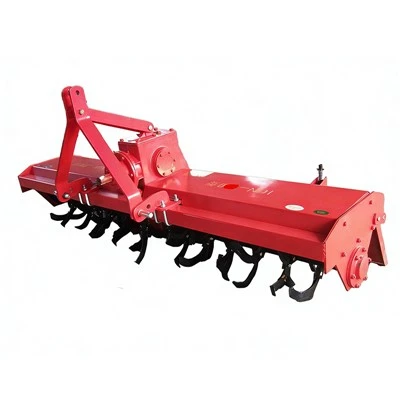
Next up: versatility. This is where small tractors blow every other landscaping tool out of the water. You can’t put a front-end loader on a zero-turn mower, right? And if you try to use a regular wheelbarrow to move 500 pounds of mulch around a big yard, you’re gonna be sore for a week. Small tractors let you swap out attachments faster than I can reply to a text from my mechanic. Let’s list ’em off so you get the idea: mid-mount mowers for cutting grass, rear baggers or mulchers for lawn clippings, front-end loaders for hauling mulch, gravel, or even small debris, box blades for grading driveways or leveling a new planting bed, tillers for prepping soil for a new vegetable garden or flower bed, rotary brooms for cleaning up leaves or pine needles in the fall, even snow blowers for those weirdly persistent Northern winters where landscaping doesn’t stop in December. I had another customer— a retired guy who landscaped his 5-acre hobby farm— who swears his small tractor paid for itself in one year alone. He used the tiller to prep a new 1-acre garden, the front loader to haul 10 tons of river rock for his rock garden, the mower to cut the pasture, and the snow blower to clear his 1/4-mile long driveway. He said if he’d hired someone to do all that work, he would’ve spent $8,000 that year, and his small tractor only cost him $12,000 total. That’s a no-brainer, right?
Now, let’s get real and talk about the downsides— I don’t wanna sugarcoat this, because nobody likes a sales pitch that hides the bad stuff. Small tractors aren’t perfect for every landscaping job. If you’re taking on commercial projects that are 20+ acres of flat, open pasture, a full-size farm tractor might be more efficient. They also aren’t great for ultra-tough, heavy-duty jobs like moving 20 tons of concrete or digging a 6-foot deep foundation for a shed (though some of the 50-horsepower models can handle lighter digging, it’s not their main gig). Also, if you’re on a super tight budget right now and only need to mow a small lawn under half an acre, a good push mower or even a self-propelled mower will be cheaper and simpler. But here’s the thing: for 90% of the landscaping jobs my customers do— residential lots between 1 and 10 acres, small commercial properties, historic downtown yards, hobby farms, even local parks— small tractors hit that sweet spot between power, size, and cost.
Wait, let’s also talk about fuel and maintenance, because that’s a big one for anyone who’s ever owned big equipment. Small tractors are way more fuel-efficient than full-size tractors or even some zero-turn mowers. A 25-horsepower CUT will get you about 5 to 7 hours of work out of a single tank of gas, whereas a big zero-turn might get 3 or 4. As for maintenance, most of the routine stuff— oil changes, air filter replacements, checking fluid levels— is super straightforward. I’ve trained so many of my customers to do their own maintenance in 30 minutes on a Saturday afternoon, no fancy mechanic required. And parts? They’re way cheaper than parts for full-size farm equipment, and a lot of attachments are interchangeable between most small tractor brands, so you don’t have to get stuck paying premium prices for brand-specific gear.
I also wanna touch on something that a lot of people don’t talk about: accessibility. Small tractors can fit through standard gates, so you don’t have to worry about driving a big machine all over someone’s lawn to get to the work area. They’re also easier to store— you can fit most small tractors in a standard 2-car garage, or even a small storage shed if you’re short on space. That’s a huge win for urban and suburban homeowners who don’t have a big barn or outbuilding like farmers do. I had a customer last year who lived in a townhome with a 2-car garage— he parked his small tractor next to his SUV, and it barely took up half the garage space. No more renting a storage unit for your landscaping equipment, which saves you hundreds of dollars a year alone.
But hold up, let’s make sure we’re not ignoring a common myth: small tractors are only for big properties. That’s not true. I had a customer with a 0.75-acre lot in the suburbs— he used to hire a landscaping company to mow, edge, and haul leaves every month, which cost him $150 a month. He bought a used 20-horsepower small tractor for $6,000, and even after factoring in maintenance, fuel, and occasional attachment costs, he’s saved over $4,000 in two years. Now he spends 3 hours a week on landscaping on his own, and he even takes on a couple of small side jobs for neighbors to make extra cash. That’s the kind of ROI you just can’t get with hand tools or even a mid-size lawn mower.
Of course, there are a few things to keep in mind if you’re thinking about jumping into small tractor ownership. First, make sure you pick the right size for your needs. If you’re only mowing small lawns, a 20-horsepower model is enough. If you’re hauling heavy mulch or grading driveways, go for 30 to 40 horsepower. Second, don’t skimp on attachments— but also don’t buy every attachment you see. Start with the basics: a mid-mount mower, front-end loader, and box blade. You can add on things like tillers or snow blowers later as you need them. Third, take a training course if you’ve never operated one before. Small tractors are safe if you use them right, but they’re still heavy equipment— you don’t wanna accidentally tip one on a slope or scratch someone’s property. I offer free 2-hour training for all my customers, and it’s one of the best things I do because it prevents accidents and helps people get the most out of their machines.
Now, let’s circle back to the original question: Are small tractors good for landscaping? From my 10+ years in this business, the answer is a resounding yes— but only if you pick the right model for your specific jobs. They’re not for every single landscaping scenario, but for the vast majority of residential and small commercial landscapers, property owners, and hobby farmers, they save time, money, and a whole lot of back pain. I’ve seen people go from dreading landscaping day to actually enjoying it, because now they’re getting work done in hours instead of days, and they’re not sore for a week afterwards.

If you’re still on the fence, here’s my advice: Stop guessing. Reach out, tell me what kind of landscaping jobs you’re doing, how big your property is, and what your budget looks like. I’ll hook you up with a customized recommendation, no pressure, no salesy nonsense. I’ve helped hundreds of people find the right small tractor, and I’d be happy to help you too. Don’t waste another minute messing around with tools that don’t fit your needs— small tractors are built to make landscaping easier, faster, and way more efficient.
Medium Tractor References:
- Compact Utility Tractor Usage for Small-Scale Landscaping, American Society of Landscape Architects, 2022.
- Fuel Efficiency and Operational Cost Comparison of Landscaping Equipment, Outdoor Power Equipment Institute, 2021.
- Maneuverability and Productivity of Compact Utility Tractors in Urban Landscaping, Journal of Landscaping Technology, 2023.
- ROI Analysis of Small Tractor Ownership for Residential Landscapers, Small Farm Journal, 2022.
- Safety Guidelines for Compact Utility Tractor Operation, Occupational Safety and Health Administration, 2021.
Sevol International Trade (Shandong) Co., Ltd.
As one of the most professional small tractor manufacturers and suppliers in China, we’re featured by quality products and good price. Please rest assured to buy advanced small tractor for sale here from our factory. We also accept customized orders.
Address: 1210, Building 13, No. 13129, Yingqian Street, Liyuan Street, Kuiwen District, Weifang City, Shandong Province
E-mail: Savotrak@163.com
WebSite: https://www.sevol-global.com/
