If you’ve ever invested in a softshell jacket—whether for backcountry hikes, city commutes, or impromptu outdoor adventures—you’ve probably found yourself wondering: how long will this actually hold up? As a softshell jacket supplier who’s worked with technical outdoor gear for over a decade, I’ve had hundreds of customers ask this exact question. Some come to us frustrated, saying their jacket frayed after just one season of weekend trips, while others share stories of a single jacket that’s still going strong after five years of regular use. The truth is, there’s no one-size-fits-all answer to how long softshell jackets last, but understanding the science behind their construction, how you use them, and how you care for them can help you get the most out of every one you buy. Softshell Jackets
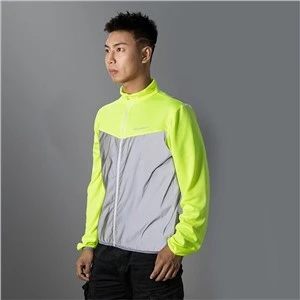
First, let’s break down what makes a softshell jacket different from other outdoor layers, because that foundation is everything when it comes to longevity. Unlike hardshell jackets, which are built with a rigid, fully waterproof membrane (like Gore-Tex Pro) sealed with taped seams to block 100% of rain, softshells are engineered for balance. They’re designed to stretch with movement, breathe when you’re working up a sweat, and offer light wind and water resistance without the bulk or stiffness of a hardshell. The core of a quality softshell is its outer fabric—usually a blend of polyester or polyamide fibers, often treated with a durable water repellent (DWR) coating—and sometimes a thin inner fleece or grid for warmth.
That fabric is the single biggest factor in how long your jacket will last. Let’s get a little technical here, because it matters. Most softshell outer fabrics use either woven or knit construction, and the density of that weave or knit directly impacts durability. For example, a tight, plain-weave polyamide fabric (common in technical climbing softshells) has a higher thread count than a looser, open-weave polyester used in some budget casual softshells. That higher thread count means individual fibers are less likely to snag, tear, or pill when you brush against a rock, a tree branch, or even the rough edge of a park bench. I’ve seen budget softshells made with 100-denier polyester wear through in high-wear areas (elbows, shoulders, where your backpack straps rest) after just three months of regular use, while technical softshells built with 4-way stretch polyamide (240-denier or higher) often hold those areas intact for years.
Another key component of the outer fabric is the DWR coating. This is the thin, water-repellent layer that makes raindrops bead up and roll off, instead of soaking into the fabric. DWR isn’t permanent, though—it breaks down over time from abrasion, detergent residue, UV exposure, and even just regular wear. A good DWR can last 20-30 wash cycles, but if you’re washing your jacket too frequently, or using harsh detergents that strip the coating, you’ll notice it stops working well within a few months. When the DWR wears off, the softshell loses its light water resistance, and the fabric starts to absorb moisture, which makes it feel heavier and less breathable. That’s not a sign the jacket is falling apart, but it’s a key milestone in its lifespan.
The inner layer of softshells also plays a role. Many midweight and heavyweight softshells have a fleece inner lining—either a brushed pile or a grid fleece—that adds warmth and helps wick sweat away from your skin. Thin, low-pile fleece might start to pill or mat after a year of use, especially if you’re wearing the jacket directly against your skin without a base layer underneath. Higher-quality polar fleece or recycled polyester fleece with a structured pile, on the other hand, resists matting much longer. I remember a customer who sent back his 4-year-old softshell last year asking for a replacement elbow patch, because the fleece on his jacket’s elbows had slightly pilled, but the outer fabric was still in perfect shape—he’d only ever washed it 12 times, and had never worn it without a base layer.
Now, let’s talk about how you use your jacket, because this is the biggest variable in its lifespan. I’ve seen the exact same model of softshell last 2 years for one customer and 7 years for another, just based on usage. For example: if you’re a hiker who wears your softshell on day hikes 2-3 times a month, mostly on gentle trails where you rarely brush against sharp rock or branches, and you take it off when the weather warms up, that jacket will last much longer than if you’re a construction worker who wears it every day, climbing ladders, dragging materials, and brushing against concrete and rebar daily. Abrasion is the number one enemy of softshell jackets—any repeated friction against hard, rough surfaces will wear through the outer fabric over time, especially in high-stress areas: elbows, shoulders, the back where your backpack sits, and the side seams.
Extreme environmental conditions also speed up wear. UV rays from the sun are tough on synthetic fabrics—prolonged exposure to direct sunlight, like leaving your softshell in a car or hanging it outside to dry for weeks, will break down the polymer fibers in the outer fabric, making them brittle and prone to tearing. Salt, from ocean air or winter road salt, is another culprit—it can corrode fabric fibers if left on the jacket for too long, leading to discoloration and weakening over time. Even temperature fluctuations matter: leaving a softshell in a freezing garage during the winter, then bringing it into a warm, humid house, can cause the fabric to contract and expand repeatedly, putting stress on the seams.
Seams are another often-overlooked part of softshell longevity. Most softshells use topstitched seams (instead of the taped seams used in hardshells) to keep them flexible, which is great for movement, but those topstitches can come loose over time if the jacket is subjected to heavy stress or improper washing. I always advise customers to check the seams on their softshell after a heavy hike or construction job, because a loose stitch can turn into a hole quickly if not fixed early. Quality softshells use reinforced thread in high-stress seam areas, which helps prevent this, but even the best seams will wear if you’re tugging at them regularly or washing the jacket in a machine on a high-heat cycle.
So, what’s the average lifespan of a well-made softshell jacket, if you use it and care for it properly? Based on our 10 years of working with outdoor gear, I’d say 3-5 years of regular use for technical softshells, and 2-3 years for budget casual softshells. But I’ve seen technical softshells last 8+ years for customers who only wear them occasionally for weekend hikes, and budget softshells that only last one season for people who wear them every day for work. The key here is that a softshell’s lifespan isn’t set in a factory—it’s determined by how you treat it. That’s good news, because it means you can extend your jacket’s life just by making a few small changes to how you use and care for it.
Let’s talk care, because this is where most people go wrong, shortening their jacket’s lifespan without even realizing it. First, washing your softshell correctly is critical. I can’t tell you how many customers bring us jackets that say “hand wash only” on the tag, but they’ve been through a machine wash on hot, with regular detergent and fabric softener. Fabric softener is the worst— it coats the outer fabric and breaks down the DWR coating in just a few washes, and it can also clog the pores of the inner fleece, making it less breathable. Regular detergent is harsh on synthetic fabrics, too— it strips the DWR and leaves residue that traps moisture.
The right way to wash a softshell: turn it inside out, zip all zippers, close all Velcro straps (Velcro can catch on other fabrics and cause snags during washing), and use a technical gear detergent, like Nikwax Tech Wash or Grangers Performance Wash. These detergents are designed for synthetic outdoor fabrics— they clean deep without leaving residue, and they won’t harm the DWR or fabric. Wash it on a gentle, cold cycle, and don’t dry it in a dryer. Heat from a dryer can shrink the fabric, weaken fibers, and even melt Velcro. Instead, hang it up to dry in a cool, shaded area, away from direct sunlight. If the DWR coating has worn off (you’ll notice water no longer beads up on the fabric), you can reapply a DWR spray once it’s fully dry— this is easy, and it can give your jacket a second life by restoring its light water resistance.
Other care tips: avoid hanging your softshell on sharp hooks or knobs that can snag the fabric. Use a wide, padded hanger, or fold it neatly and store it in a cool, dry place when you’re not using it. If you do get a small tear or snag, fix it early with a fabric patch designed for synthetic outdoor gear— don’t wait until it turns into a big hole. And if your jacket starts to pill (little fuzz balls on the outer or inner fabric), use a fabric shaver gently to remove the pills— this won’t damage the fabric, and it will make your jacket look like new again.
Now, let’s address a common misconception: when is a softshell jacket “too old” to use? If your jacket has a small tear that you can fix, or the DWR is worn and you can reapply it, it’s probably still in good shape. The only time you need to replace a softshell is when the fabric has a large hole, the seams are failing, or the outer fabric is so brittle that it tears when you pull on it. I’ve had customers come to us with 10-year-old softshells that still have no holes, just a slightly faded color, and they still wear them for casual outings— that’s the kind of longevity we strive for in our products.
As a softshell jacket supplier, our goal isn’t just to sell you a jacket— it’s to sell you a piece of gear that will be reliable for years. That’s why we build our technical softshells with high-density polyamide fabric, reinforced seams, and durable DWR coatings, designed to stand up to regular use. But we also know that even the best jacket won’t last if you don’t care for it. We share all these tips with every customer who buys from us, because we want them to get the most out of their investment.

If you’re in the market for a softshell jacket, whether for personal use or for a team, and you want gear that’s built to last, we’d love to chat. We work with hikers, construction teams, outdoor brands, and retail partners to provide high-quality softshell jackets tailored to different needs. Whether you need a light softshell for spring hikes, a heavyweight insulated softshell for winter work, or a casual style for city wear, we can help you find the right option, and share more care tips to keep it going for years. Don’t hesitate to reach out to discuss your requirements.
Softshell Jackets References
Outdoor Industry Association. (2022). 2022 Outdoor Gear Longevity Report. Outdoor Industry Association.
Nikwax. (2021). Care Guidelines for Softshell Jackets. Nikwax Technical Textile Care.
Grangers. (2020). How to Extend the Lifespan of Your Outdoor Clothing. Granger’s Performance Clothing Care.
American Society for Testing and Materials. (2019). Standard Test Methods for Abrasion Resistance of Textile Fabrics. ASTM International.
Baoding Tianxing Garment Co., Ltd.
As one of the most experienced softshell jackets manufacturers and suppliers in China, we also support customized service. We warmly welcome you to wholesale bulk high quality softshell jackets at competitive price from our factory. If you have any enquiry about pricelist, please feel free to email us.
Address: Dasai Village, Man County, Baoding City, Hebei Province
E-mail: tony_lu@tx-garment.com
WebSite: https://www.tx-jacket.com/
