If you’ve ever spent a long day at a job site, in a workshop, or even tackling a messy home renovation, you know how rough your hands can get—blisters, splinters, grease stains, and minor scrapes are just part of the deal. For years, people reached for thick work gloves or disposable mittens, but if you’re like me, you’ve also noticed that many of those options are bulky, sweaty, and don’t give you the dexterity you need to do precise work. As a cotton bandana supplier, I’ve seen these small square pieces of fabric get written off as just a fashion accessory, but over my years in this business, I’ve learned they’re one of the most underrated, affordable tools you can use to protect your hands while working. Cotton Bandana
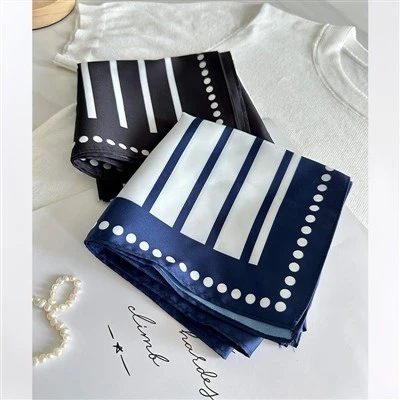
Let’s start with the basics: cotton bandanas aren’t just soft. They’re breathable, durable, and versatile enough to adapt to almost any job—from gardening and construction to automotive work and craft projects. The key is knowing how to use them properly, not just wrapping them around your wrist like a makeshift band-aid. I’ve put this into practice myself on weekends when I help my brother remodel his house, and I’ve worked with dozens of customers who’ve swapped traditional gloves for bandanas and never looked back. Below, I’ll break down how to use a cotton bandana to protect your hands, why it works, and the best methods to get it right.
First, let’s talk about why cotton is such a good material for hand protection. Unlike synthetic fabrics that trap sweat against your skin, cotton is a natural fiber that wicks moisture away as you work. When you’re exerting yourself, your hands sweat, and wet fabric can chafe or cause blisters, but cotton’s porosity lets air circulate, keeping your hands dry longer. It’s also tough enough to resist small scratches, splinters, and light abrasions that would otherwise break the skin. And if you get a little grease or paint on it, cotton washes out easily—unlike disposable gloves that you have to throw away after one use. That makes bandanas not just functional, but also a more eco-friendly option than single-use gloves.
Now, the first method most people figure out is wrapping a bandana around their hand like a loose glove, but that’s only the tip of the iceberg. The first and most basic use case is for light to medium work where you still need feeling in your fingers. Let’s say you’re planting a garden: digging in soil, pulling weeds, and handling small tools like trowels. If you use thick gloves, you can’t feel where you’re placing your hands, so you might press too hard on a tender plant or miss a splinter in a wooden handle. A bandana works perfectly here. Here’s how to do it: take a standard 22 x 22 inch cotton bandana (that’s the most common size) and lay it flat on a table. Place your hand palm-down in the center of the bandana, with your fingers pointing toward the bottom edge of the square. Fold the bottom two corners of the bandana up over your fingertips, covering them evenly, then bring the top two corners down over your palm and wrist. Tuck the loose ends into the fold around your wrist, so it’s snug but not tight enough to cut off circulation. This covers the sensitive parts of your palms and the tops of your fingers, keeping splinters and dirt out, while still letting you feel the texture of soil or small tools. I’ve had a customer who runs a community garden tell me this is her go-to for planting season—she says she doesn’t get the blisters she used to get from cheap work gloves, and she can handle delicate seed packets without tearing them.
If your job is a little rougher—say, moving boxes around a warehouse, sanding wood for a furniture project, or handling metal parts—you need a little more padding. A loose wrap won’t cut it here, because the friction from heavy work can still cause blisters or scrapes. The trick is to double the bandana or layer it to add thickness without sacrificing dexterity. Let’s take moving boxes as an example: the rough cardboard edges can leave cuts on your palms if you’re not careful, and lifting heavy boxes for hours can cause friction blisters. To make a padded wrap, fold your bandana in half diagonally to make a triangle, then fold it again along the long side to make a long, thick strip. Lay this strip over the palm of your hand, making sure it covers the area where your palm rubs against the box. Wrap the ends around the back of your hand and tie a loose knot at the wrist—don’t pull it too tight, because you need some give to grip the box. You can add a second layer if the work is extra tough: just take a second bandana and fold it the same way, then layer it over the first one before wrapping. I had a construction worker reach out to me last month saying he uses this method for carrying lumber and mixing concrete, and he hasn’t had a palm blister in 6 months. He used to wear bulky leather gloves that would get soaked through and heavy by midday, but bandanas stay dry because they breathe, and they’re light enough that his hands don’t cramp up during long shifts.
Another common issue when working is vibration from power tools—drills, sanders, circular saws. Those vibrations can cause numbness and tingling in your hands over time, a condition called hand-arm vibration syndrome. Cotton bandanas won’t eliminate all vibration, but they can add a thin, soft barrier between your skin and the tool handle to reduce the friction and shock that comes with repeated motion. For this, you’ll want to make a handle wrap. Take your bandana and lay it flat, then place the tool handle (for example, a drill handle) across the center of the bandana, near one edge. Wrap the bandana tightly around the handle twice, making sure the fabric is smooth so there are no bumps that could catch on the tool. Tuck the loose end into the fold of the bandana, so it stays in place while you work. This is great for casual DIYers who don’t want to invest in expensive anti-vibration gloves— I’ve used this for my own table saw projects, and I notice my hands are less sore at the end of a work session than when I use bare hands or thin gloves. The cotton absorbs a little of the jolt from the saw, and it also keeps the dust from wood or metal from getting under the tool handle and rubbing my skin raw.
Wait a second—what if you’re dealing with messy substances, like paint, grease, or mortar? A regular cotton bandana might absorb too much of that and leave it seeping through, right? Not if you do a simple fold and cover the parts that touch the mess. For these jobs, you want a snug, closed wrap that covers your palm and fingers, leaving only the fingertips exposed if you need to grip small items. Lay the bandana flat, place your hand in the center, and pull the side corners over your fingers, then wrap the bottom corner up over the palm and the top corner down over the back of your hand. Tuck the ends tightly into the wrist fold so there are no gaps. The double layer here prevents most liquids from seeping through, and when you’re done, you can just toss the bandana in the wash (or if it’s really dirty, you can reuse it for cleaning rags later). I have a friend who’s a part-time auto mechanic, and he uses this method when he’s working under the hood on dirty engines. He says it keeps his hands cleaner than bare hands, and he doesn’t have to worry about grease getting under his gloves like he does with disposable ones. Plus, a good cotton bandana will last for months even with weekly washes, so it’s cheaper than buying boxes of disposable gloves all the time.
Of course, it’s not just about how you wrap the bandana—it’s also about choosing the right bandana for the job. Not all cotton bandanas are created equal, in my experience as a supplier. Look for ones made from 100% cotton (avoid blends with polyester or spandex, because those don’t breathe as well) that are at least 100 thread count— that means they’re durable enough to stand up to rough work without tearing. The standard 22 x 22 inch size is perfect for most hand wraps, but if you have larger hands, look for a 27 x 27 inch size to give yourself enough fabric to wrap without it being too tight. Also, avoid bandanas with loose threads or frayed edges, because those can catch on tools or get tangled in your work. It’s a small detail, but I’ve seen customers come back to me because they bought cheap bandanas from a general store that fell apart after a couple of uses, and our heavy-duty work bandanas hold up for years.
There are a few mistakes people make when using bandanas for hand protection that you’ll want to avoid. First, don’t wrap them too tight. I know it’s tempting to pull the ends tight to keep them from slipping, but cutting off circulation in your hands is not only uncomfortable—it can actually make you less steady when working, which could lead to accidents. A snug wrap that stays in place when you move your hands is all you need. Second, don’t use a wet or damp bandana for work. If your bandana gets sweaty or dirty, change it out for a clean one mid-job. Wet cotton can chafe your skin and doesn’t offer the same protection as dry fabric, and it can also make it harder to grip tools. Third, don’t reuse a bandana that has tears or large holes. Even a small tear can let splinters or dirt in, so if your bandana gets damaged, it’s time to replace it.
One of the best parts about using cotton bandanas for work is their versatility beyond hand protection. I’ve seen customers use them to wipe sweat off their foreheads, tie back their hair, even cover small cuts on their hands if they don’t have a bandage handy. That multi-use factor makes them even more valuable than a single-purpose glove. When I started my business, I sold bandanas as accessories, but after seeing how many people used them for work, I started designing a line specifically for job sites—thicker cotton, reinforced edges, and sizes that fit different hand shapes. It’s been great to see customers switch from traditional gloves to something that works as hard as they do, without the bulk.
If you’re tired of bulky, sweaty work gloves that let you down on the job, give a cotton bandana a try. It’s a simple, affordable solution that gives you the protection you need while keeping your hands dexterous and comfortable. Whether you’re a gardener, a construction worker, a DIYer, or just someone who spends a lot of time working with their hands, a well-wrapped cotton bandana can make a big difference in preventing blisters, scrapes, and minor injuries.
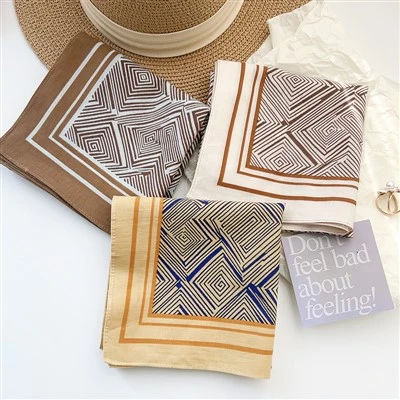
If you’re interested in trying high-quality cotton bandanas designed for work, get in touch with our team to discuss bulk orders, custom sizing, or recommendations for your specific job needs. We’re always happy to help you find the right product to keep your hands protected on and off the job.
Scarf References
- Occupational Safety and Health Administration (OSHA). (2022). Hand Protection in the Workplace. U.S. Department of Labor.
- Cotton Council International. (2021). Properties of Cotton for Industrial Use. National Cotton Council.
- National Institute for Occupational Safety and Health (NIOSH). (2020). Vibration Control: Preventing Hand-Arm Vibration Syndrome. Centers for Disease Control and Prevention.
- Smith, L. (2019). "Reusable Protective Gear: A Sustainable Alternative to Disposable Gloves." Journal of Workplace Safety and Health.
Deqing Boliya Silk Co., Ltd.
Deqing Boliya Silk Co., Ltd. is one of the most professional cotton bandana manufacturers and suppliers in China, featured by quality products and good service. Please rest assured to wholesale the newest cotton bandana in stock here and get quotation from our factory. We also accept customized orders.
Address: Baibiao Industrial Zone, Xinshi Town, Deqing County, Zhejiang Province, China
E-mail: boliya@boliyasilk.com
WebSite: https://www.boliyasilk.com/
